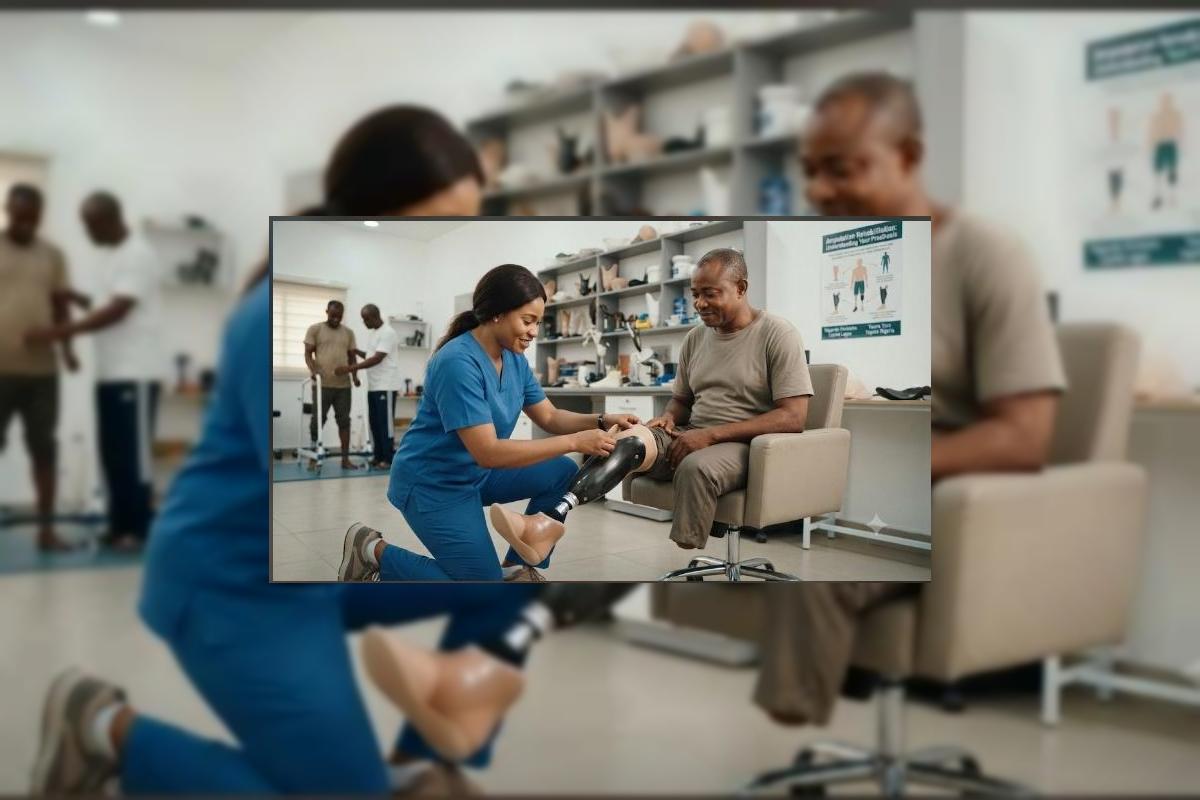

The silence surrounding prosthetic fit in Nigeria is a barrier to true independence. For an amputee, the socket is not merely a piece of plastic or carbon fiber; it is the vital interface that determines whether they can walk with comfort or suffer through every single step. Neglecting the precision of the socket is the most common reason for prosthetic abandonment.
"Assuming a prosthetic limb is a 'plug-and-play' device is a dangerous clinical myth. True amputation rehabilitation demands an obsessive focus on socket customization, where every contour of the residual limb is respected, preventing the chronic friction that makes a device a burden rather than a breakthrough. — Orthonarra Public Awareness Desk"
In the landscape of prosthetic care in Nigeria, we are shifting the focus from simply "providing a leg" to "engineering an interface." The prosthetic socket—the cup that holds the residual limb—is the most important part of any artificial limb. If it is too tight, it causes bruising and skin breakdown; if it is too loose, the patient loses control, leading to a clumsy, energy-draining gait. Because every residual limb changes shape due to muscle atrophy and swelling, a custom-molded, well-fitted socket is the only way to ensure the patient maintains a high level of daily function and long-term joint health.
The Three Barrier Cards: Why Socket Fit Determines Success
To professionalize prosthetic services across the country, we must dismantle the three pillars of negligence that cause patients to walk away from their devices.
| Barrier | The Impact on the Patient | The Necessary Shift |
|---|---|---|
| The 'One-Size' Illusion | Patients receive generic, ill-fitting sockets that cause painful pressure sores and make walking feel impossible. | Prioritizing custom-molding and regular socket check-ups as the foundation of every fitting. |
| Ignoring Volume Change | Residual limbs shrink after surgery; failing to adjust the socket leads to a 'pistoning' effect that damages the limb. | Implementing a structured plan for liner adjustments and socket refitting as the limb matures. |
| Lack of Biomechanical Alignment | Even a perfect socket fails if the prosthesis is not aligned to the patient’s unique center of gravity and walking style. | Integrating gait analysis into every prosthetic fitting to ensure optimal load distribution. |
"A prosthesis is only as good as the socket-to-skin connection. When the fit is precise, the patient forgets they are wearing a device; when the fit is poor, the device is all they can think about."
Clinical Profile: The Biomechanics of Total Contact
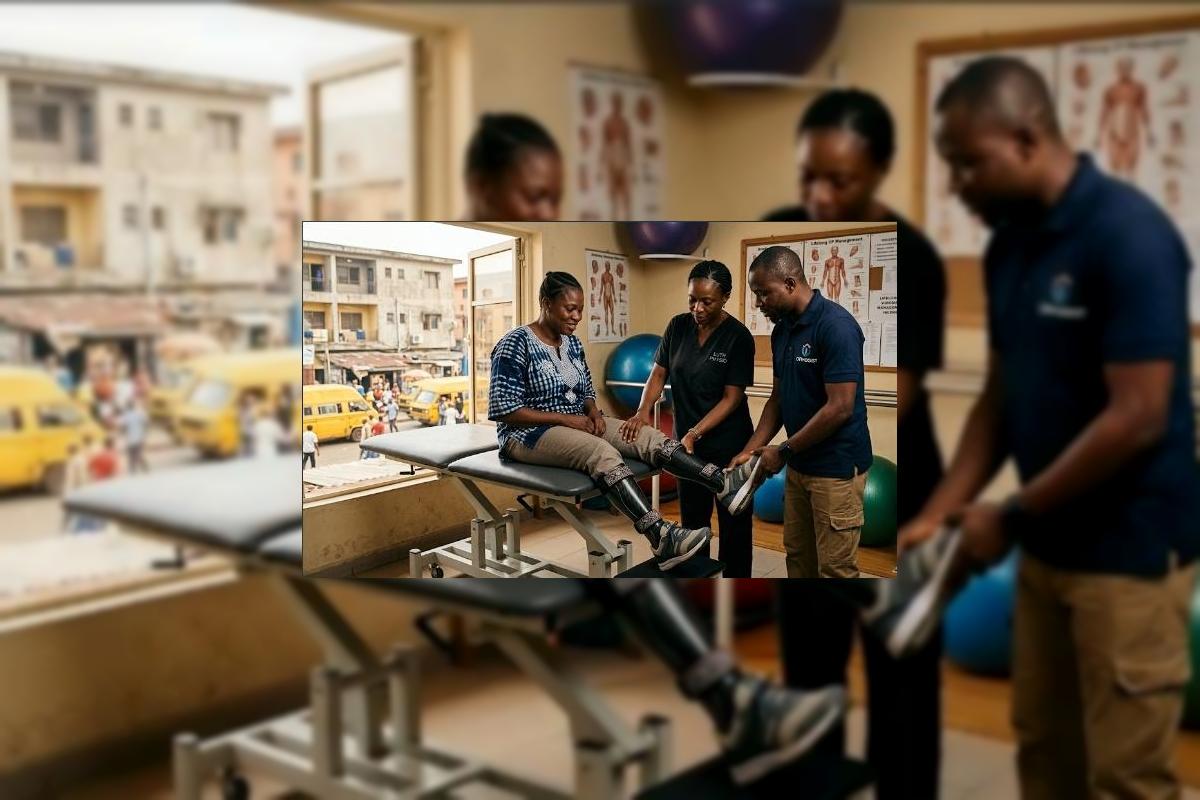
The goal of a modern prosthetic socket is "total contact." This means the socket is shaped to touch every part of the residual limb uniformly, distributing the pressure of body weight across the entire surface area rather than focusing it on bony prominences. A certified prosthetist uses advanced casting techniques to capture the specific anatomy of the patient, followed by dynamic alignment—a process of adjusting the angle and position of the prosthetic foot to match the patient's natural stride. This meticulous engineering ensures the patient does not have to "fight" their device, which is essential for preserving the health of the joints above the amputation (the knee and hip).
What Changes Everything: The Action Strip
By prioritizing precision socket fitting, we achieve five essential clinical outcomes:
1 Elimination of Skin Trauma
A proper fit prevents friction, blistering, and the dangerous chronic ulcers that often arise from poorly distributed pressure.
2 Enhanced Energy Efficiency
When the limb is properly coupled with the prosthesis, the patient walks with a natural rhythm, drastically reducing the physical effort needed to move.
3 Preservation of Long-Term Mobility
Precise alignment protects the hips and spine from the secondary arthritis and chronic pain often seen in amputees with poor gait patterns.
4 Increased Daily Usage
Comfortable, secure sockets mean patients are far more likely to wear their prosthesis all day, every day, leading to a more active lifestyle.
5 Psychological Empowerment
A functional, comfortable prosthesis is a massive psychological boost, helping the patient regain their confidence and independence.
A Call to Action
To amputees: Never settle for pain. If your socket causes discomfort, bruising, or instability, see your prosthetist for an adjustment—you deserve a device that fits. To our prosthetic teams: Invest the extra time in casting and dynamic alignment; the socket is the most important part of your craft. To our policymakers: Support the training of certified, local prosthetists; providing high-quality socket fabrication is the most direct path to restoring independence for our citizens. Your journey to walking begins with a perfect fit.
Comments (0)
No comments yet. Be the first!
Please login to leave a comment
Login to Comment