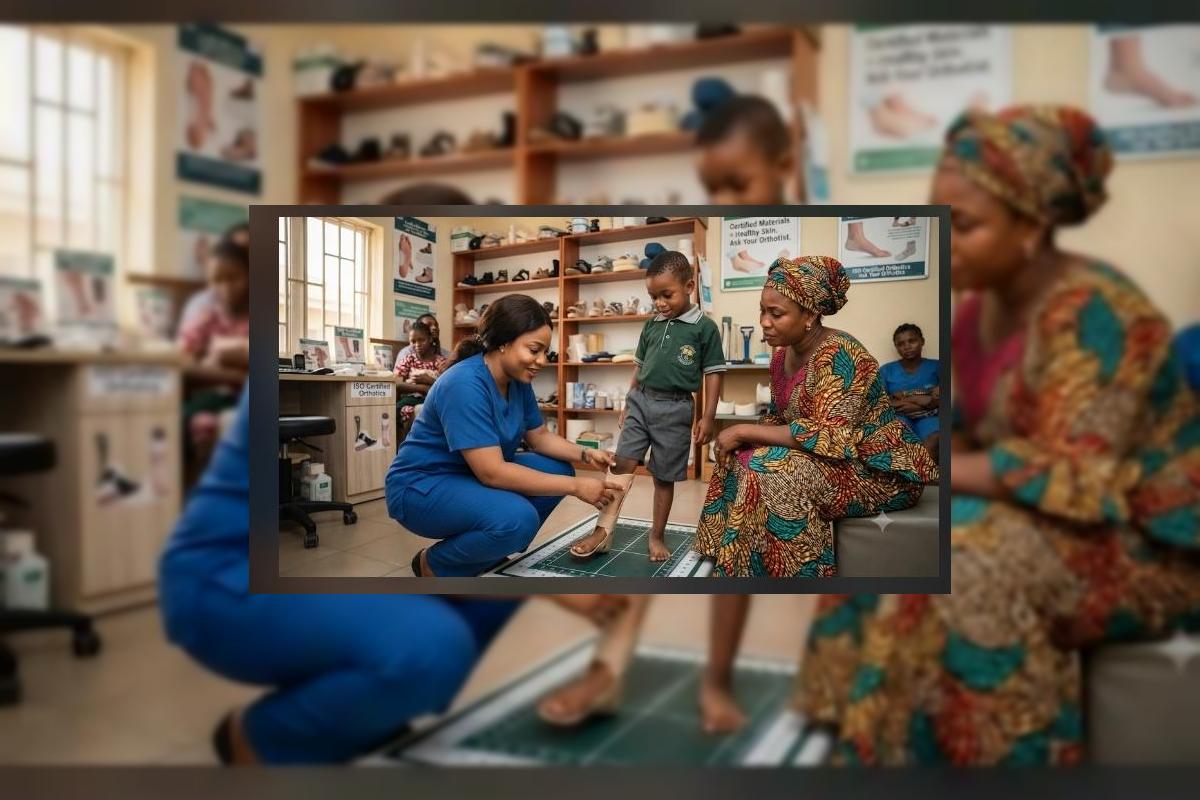

The silence surrounding orthotic material science in Nigeria is a hidden health crisis. For a patient relying on an orthopedic brace, the device is not just a structural tool; it is a second skin. When we compromise on material quality or ignore international accreditation standards, we trade a patient's comfort for chronic skin breakdown, infection, and eventual device abandonment.
"Allowing the use of non-medical grade plastics, cheap industrial foams, or unverified straps in the construction of an orthosis is a clinical betrayal. True orthotic advocacy demands an uncompromising commitment to biocompatible, MRTB-accredited materials that protect skin integrity while providing structural support.
In the landscape of orthotic fabrication in Nigeria, we find ourselves grappling with a major divide: the difference between "supportive" devices and "skin-safe" devices. A brace might look correct on the outside, but if it is lined with non-breathable, synthetic materials that trap heat and sweat, it becomes a biological hazard in our humid climate. Constant friction against substandard foam or abrasive plastics leads to "pressure sores"—ulcers that can quickly turn into deep infections, especially for patients with diabetes or nerve damage. When we advocate for certified, biocompatible materials, we are not just talking about comfort; we are talking about ensuring that a patient can wear their device long enough for it to actually work.
The Three Barrier Cards: Why Material Quality Dictates Recovery
To professionalize orthotic care across the country, we must dismantle the three pillars of negligence that prioritize low cost over clinical safety.
| Barrier | The Impact on the Patient | The Necessary Shift |
|---|---|---|
| The Material Misconception | Patients believe any "hard plastic" is sufficient, unaware that low-grade materials leach chemicals or cause severe rashes. | Standardizing the use of medical-grade, hypoallergenic polymers and breathable liners in all clinic setups. |
| The Humidity Hurdle | Non-porous, cheap materials trap sweat, turning the brace into a breeding ground for bacterial and fungal skin infections. | Prioritizing moisture-wicking and antimicrobial padding materials tailored to the Nigerian climate. |
| The Regulation Gap | Unregulated "workshops" use industrial-grade supplies, leading to brittle braces that crack and pinch the patient's skin. | Enforcing the use of only MRTB-certified materials that meet international orthopedic standards for skin contact. |
"An orthosis is only as effective as the patient’s willingness to wear it. If it irritates the skin, the patient will stop wearing it—and that is the moment rehabilitation ends."
Clinical Profile: The Biocompatibility Factor
Medical-grade orthotic materials are designed for "long-term skin contact." This means they are tested to ensure they do not cause allergic contact dermatitis (rashes), they do not off-gas harmful chemicals, and they maintain their mechanical rigidity under fluctuating temperatures. A certified prosthetist-orthotist uses specific polymers like high-density polypropylene and medical-grade EVA (Ethylene-Vinyl Acetate) foam, which are designed to distribute pressure evenly across the limb. When an unauthorized workshop replaces these with cheap, "repurposed" industrial foams, the material loses its density, flattens under pressure, and creates "hot spots" where the skin is crushed. This is why material choice is a clinical decision, not a budget decision.
What Changes Everything: The Action Strip
By moving to certified, high-quality materials, we achieve five essential clinical outcomes:
1 Elimination of Pressure Ulcers
High-grade materials maintain their structural integrity and don't "bottom out," keeping pressure away from sensitive skin.
2 Improved Skin Hygiene and Comfort
Breathable, antimicrobial linings manage moisture, allowing for longer, more consistent wear times.
3 Increased Device Durability
Professional-grade materials resist cracking, deformation, and degradation from heat and sweat, extending the life of the device.
4 Patient Compliance and Trust
When a brace feels comfortable and doesn't cause irritation, patients actually wear them as instructed, ensuring the treatment is effective.
5 Long-Term Cost Effectiveness
Using the right materials prevents the need for frequent replacements and avoids the high costs of treating secondary skin infections.
A Call to Action
To patients: Ask your orthotist to show you the certifications for their materials. Your skin health is non-negotiable! To our clinical community: Never prioritize cost over skin safety; always use MRTB-accredited, medical-grade components. To our policy makers: Tighten regulations on imported and local orthotic supplies to keep low-grade, skin-damaging materials out of our clinics.
Comments (0)
No comments yet. Be the first!
Please login to leave a comment
Login to Comment