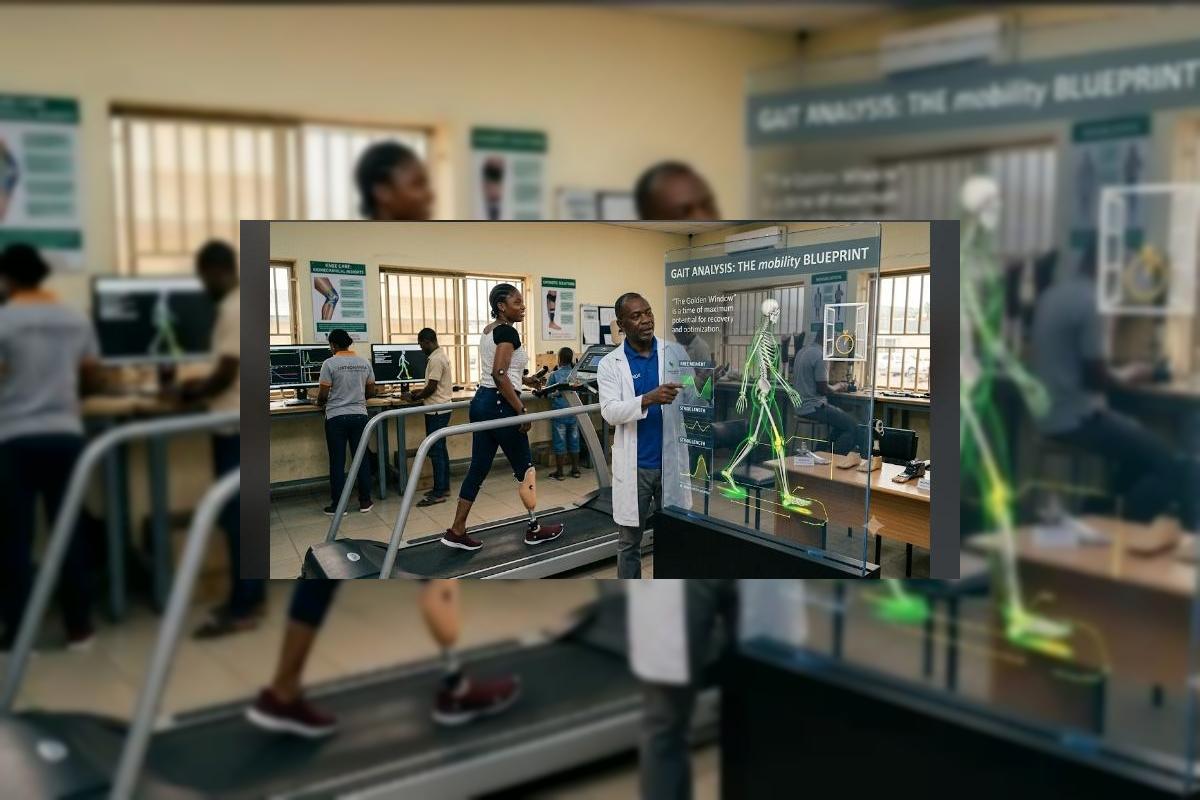

The silence surrounding the science of human walking in Nigeria is not merely a clinical gap; it is a structural barrier to recovery. For a patient recovering from a stroke, a spinal injury, or a traumatic accident, simply 'trying to walk' without a professional gait analysis is a recipe for secondary injury and permanent compensation patterns.
"Treating mobility as a vague 'exercise' rather than a precise biomechanical science is a massive clinical failure. True advocacy demands that we integrate professional gait analysis into every rehabilitation journey, using objective data to guide our orthotic designs and therapy goals, rather than guessing what the body needs.
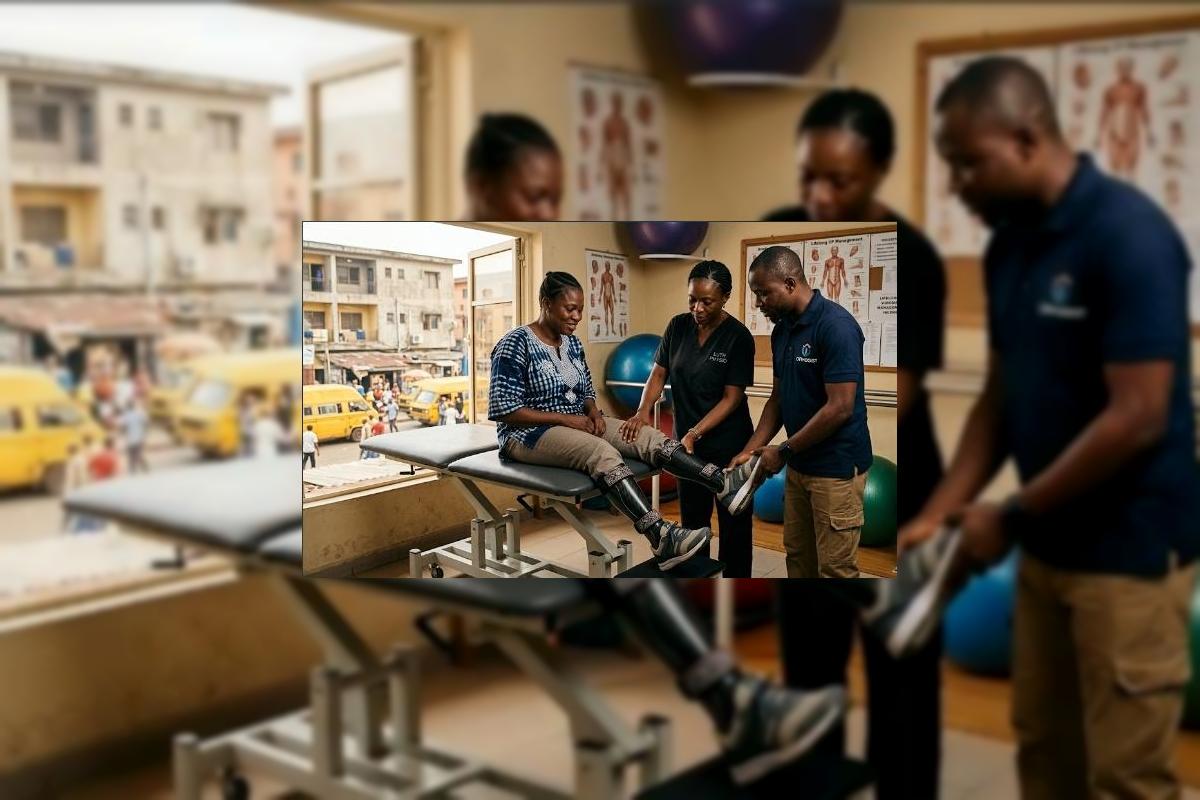
In the landscape of physical rehabilitation in Nigeria, we often rely on subjective observation—watching a patient walk and "guessing" what is wrong. However, human gait is a complex interaction of hundreds of muscles, joints, and neurological signals. When that system is injured, the body naturally finds "workarounds" to stay upright. These compensations—like hiking the hip, dragging a toe, or leaning heavily to one side—might look like progress, but they are actually dangerous, energy-draining patterns that lead to back pain, hip arthritis, and joint fatigue. Professional Gait Analysis is the objective blueprint that reveals exactly what is happening under the surface. It is the mandatory starting point for any high-quality prosthetic or orthotic intervention, ensuring that the devices we build actually solve the problem rather than just covering it up.
The Three Barrier Cards: Why Nigeria’s Mobility Progress Stalls
To revolutionize how we restore movement across the nation, we must dismantle the three structural pillars of negligence that keep gait analysis Nigeria data hidden. These systemic and knowledge-based gaps dictate whether a patient regains efficient, fluid movement or continues to limp through life.
| Barrier | The Impact on the Patient | The Necessary Shift |
|---|---|---|
| The 'Eyeball' Diagnosis | Clinicians guess movement issues, leading to poorly fitted braces that cause skin sores and patient frustration. | Standardizing objective video gait assessment and joint-range monitoring in all rehab centers. |
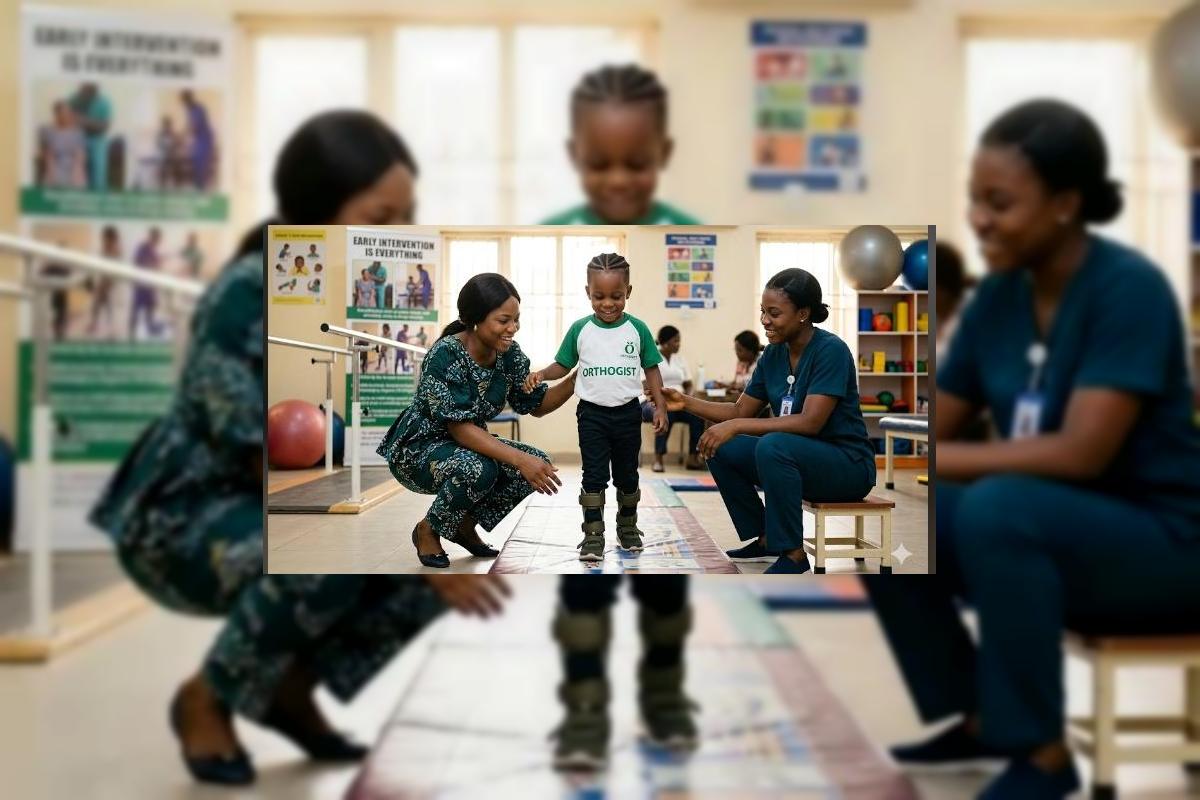
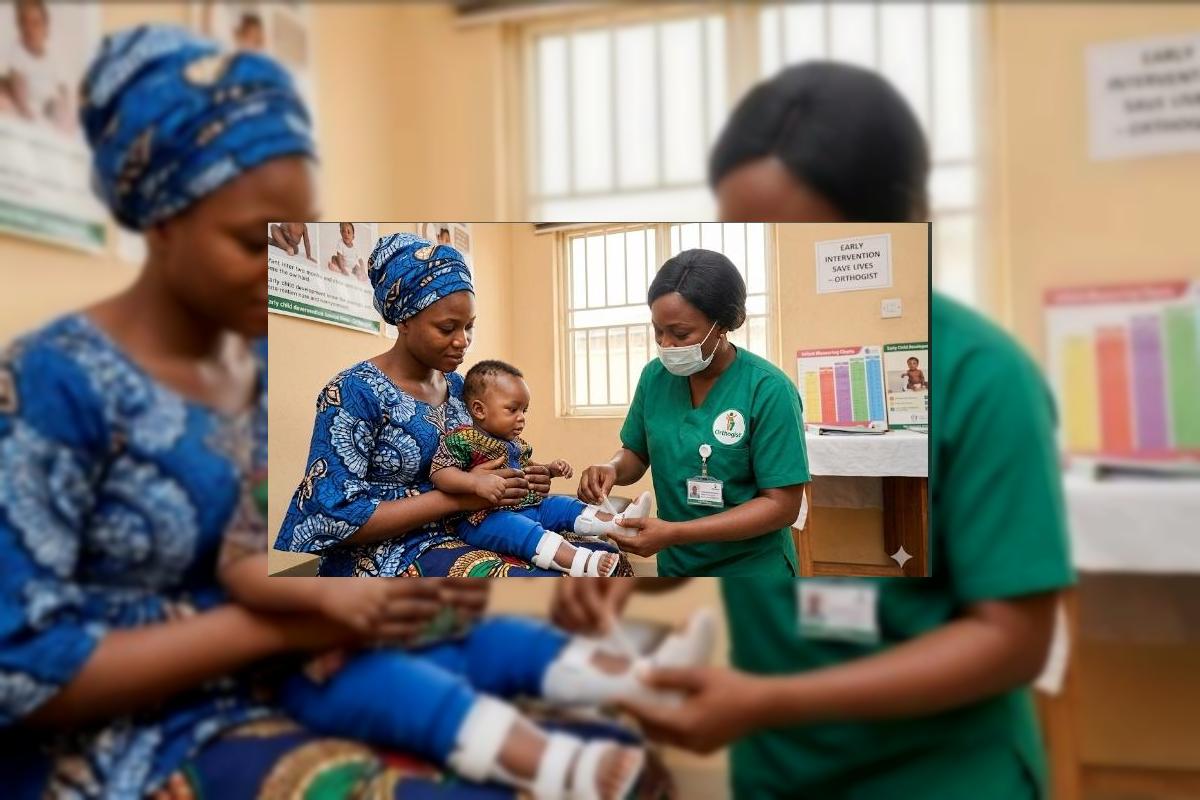
| Compensatory Habits | Patients build bad habits (like 'circumduction') that become permanent if not identified and corrected early. | Early intervention with gait-corrective orthotics to prevent abnormal movement patterns from taking hold. |
| Systemic Fragmentation | Therapists and orthotists rarely see the same gait data, causing a disconnect between treatment and device function. | Establishing shared digital or clinical gait reports between the therapy gym and the orthotics lab. |
"Walking is the most complex physical task a human performs. If the foundation of that movement is measured accurately, the success of the prosthetic or orthotic device is almost guaranteed."
Clinical Profile: The Biomechanics of the Gait Cycle
A normal gait cycle consists of precise phases: heel strike, stance, toe-off, and swing. Every millisecond of this cycle relies on the nervous system firing the right muscles at the right time. When a patient has a condition like foot drop or hemiplegia, the rhythm of this cycle is broken. A professional gait analysis identifies the exact "point of failure" in that cycle. Is the knee collapsing during stance? Is the foot dragging because of weak dorsiflexion? Is the hip rotating incorrectly? By isolating these variables, an accredited orthotist or physiotherapist can design a specific intervention—whether it's a dynamic AFO (Ankle-Foot Orthosis) to assist swing or an offloading insole to fix stance—that targets the specific biomechanical fault rather than applying a "one-size-fits-all" solution.
What Changes Everything: The Action Strip
Integrating objective gait analysis into the rehabilitation process delivers five decisive clinical and societal breakthroughs. This is the framework for true mobility restoration:
1 Precision-Targeted Device Fitting
Data-driven analysis ensures that every brace or prosthesis is custom-tuned to the patient’s exact movement needs, maximizing comfort and function.
2 Rapid Correction of Bad Habits
Identifying and stopping compensatory patterns early prevents the "secondary wear" that causes back and hip pain in long-term rehabilitation patients.
3 Increased Energy Efficiency
Properly aligned movement requires less metabolic effort, allowing patients to walk longer distances, attend school, and participate in work without crushing fatigue.
4 Objective Progress Tracking
Gait analysis provides measurable proof of improvement, which is a powerful psychological booster for patients who feel they have been stagnating.
5 Eradication of 'Device Abandonment'
Patients don't quit their braces if they work perfectly; precise analysis leads to devices that feel like a natural extension of the body.
The Biological Imperative vs. The Cultural Stagnation
True medical transformation requires moving from 'subjective guessing' to 'objective measurement.' We must intentionally dismantle the culture of casual clinical observation, transitioning instead into a regulated, evidence-based environment where professional gait assessment is the standard for anyone seeking to restore their mobility.
| The Outdated Approach (Guesswork) | The Modern Standard (Gait Analysis) |
|---|---|
| Watching a patient walk and making a rough guess about what brace they need. | Using objective video/clinical analysis to pinpoint the exact biomechanical failure. |
| Allowing compensatory limps to persist until they cause permanent hip or spine damage. | Correcting the movement pattern early to preserve the entire musculoskeletal chain. |
| Treating the limb in total isolation from the rest of the body's movement patterns. | Analyzing how the limb, trunk, and head work together to create a fluid gait cycle. |
| Blaming 'lack of progress' on the patient rather than an unmeasured, ill-fitting device. | Constantly refining the clinical plan based on objective, repeatable gait data. |
The time for clinical hesitation has ended. Every day a patient spends walking with an unmeasured, compensatory limp is a day their body accumulates damage. We can no longer tolerate losing the potential of our citizens to the gaps of incomplete care. **Disability awareness in Nigeria** must evolve to view professional gait analysis as a fundamental, high-priority human right. We are not just building devices; we are actively restoring the biomechanical dignity that guarantees every individual the right to stand, walk, work, and move through life with unyielding grace.
A Call to Action
To patients and caregivers: Ask your rehabilitation team for an objective gait analysis; if you are still limping or struggling after weeks of therapy, it’s time to look deeper. To our rehabilitation professionals: Step beyond observation—use gait-tracking, video analysis, and standardized assessment tools to give your patients the precision they deserve. To our healthcare policymakers: Invest in training and tools for professional gait assessment in public rehab facilities; it is the most cost-effective way to prevent long-term disability. A fluid, natural gait is a lifetime birthright, and your steps must be measured.
Comments (0)
No comments yet. Be the first!
Please login to leave a comment
Login to Comment