
Top Payment Gateways for African SMEs: The Ultimate Vendor Integration Guide
How local retail businesses scale from Instagram DMs to automated web checkouts using secure African payment infrastructure.
For small and medium-sized enterprises (SMEs) driving the retail sector across Africa, digital transformation is no longer a luxury, it is the baseline for survival. Moving away from the manual stress of checking bank alerts and managing sales via social media direct messages requires a reliable digital bridge. Choosing the best payment gateway in Nigeria and the wider African market is the most critical technical decision an online vendor can make to secure smooth checkouts and consistent revenue.
Integrating a secure e-commerce payment processing channel allows merchants to accept instant bank transfers, card payments, USSD codes, and digital wallets automatically. However, selecting a gateway involves balancing complex technical variables like transaction success rates, payout timelines, setup fees, and developer integration flexibility. This comprehensive engineering and business guide reviews the leading financial technology gateways empowering African SMEs to securely scale their online operations.
A major challenge for local businesses is dealing with high shopping cart abandonment rates caused by slow, multi-layered checkout pages. If a payment processor crashes during a peak traffic hour or fails to credit a customer's account instantly, the vendor loses both the transaction and customer trust. To help you make an informed infrastructure choice, we break down the operational mechanics, fee structures, and core features of the top payment processors in the ecosystem.
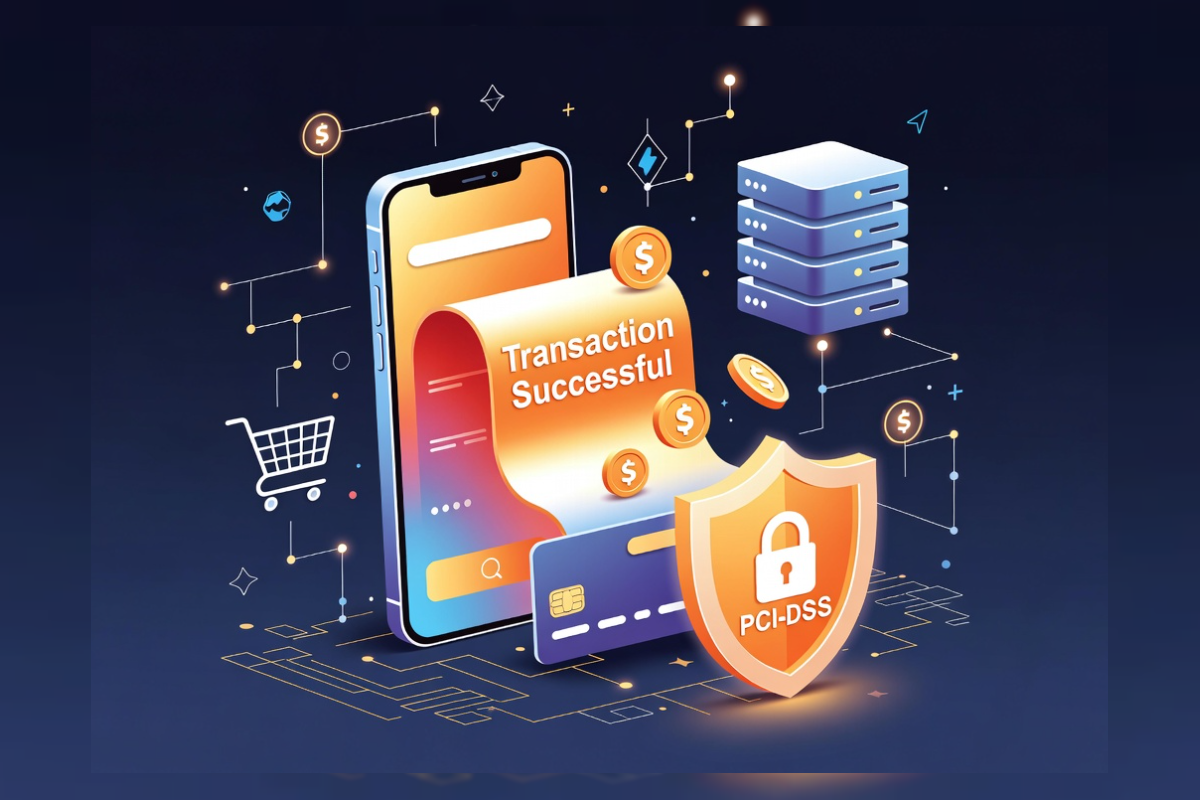
Figure 1: High-level architectural data flow of a secure merchant payment gateway integration.
1. Paystack: The Standard for Modern Checkout Experiences
Since its acquisition by Stripe, Paystack has remained a premier choice for African e-commerce platforms due to its clean user interface and reliable developer APIs. The platform's core advantage lies in its lightweight, optimized checkout modal, which loads rapidly even on slower mobile network connections.
For SMEs operating without complex in-house software development, Paystack provides ready-made, low-code tools like Payment Pages and Product Links. These tools let merchants build functional storefronts and accept international currencies right out of the box. Its underlying infrastructure uses intelligent transaction routing, automatically switching processing traffic across multiple banking rails to ensure high transaction success rates.

From a financial standpoint, Paystack operates on a transparent, pay-as-you-go pricing model with zero upfront setup fees. For local transactions, the standard processing charge is 1.5% + ₦100 (with the ₦100 fee waived for transactions under ₦2,500). Merchant funds are typically settled into linked commercial bank accounts within a Next-Day (T+1) operational window, providing stable liquidity for fast-moving retail businesses.
2. Flutterwave: Driving Cross-Border African Trade
If a growing retail business wants to expand beyond its home market and sell to customers in multiple African countries, Flutterwave offers an excellent infrastructure solution. The platform is built specifically to power cross-border trade by allowing vendors to accept payments in over 30 currencies, including NGN, GHS, KES, ZAR, USD, and EUR.

Flutterwave's technical architecture excels at processing alternative localized payment methods. Instead of forcing customers to use standard Visa or Mastercard options, it seamlessly integrates regional Mobile Money networks (like M-Pesa and MTN MoMo) and local bank transfers. This flexibility opens up large, unbanked consumer segments for digital merchants.
The platform features a competitive local transaction fee of 1.4%, making it highly cost-effective for high-volume retailers. For businesses looking for the best payment gateway for Shopify in Africa or standard WordPress (WooCommerce), Magento, and Wix setups, Flutterwave maintains a comprehensive suite of pre-built plugins that enable complete setup within minutes.
3. Monnify: Optimizing Virtual Bank Transfer Infrastructure
While credit and debit card payments are popular, direct bank transfers remain a dominant digital payment method across many African markets. Monnify (developed by Moniepoint) has capitalized on this trend by building a highly reliable virtual account architecture engineered specifically for high-volume transactions.
When an SME registers a customer profile on a Monnify-powered platform, the system dynamically generates a dedicated virtual bank account number for that customer. Any payment transferred into that specific account is automatically confirmed, matched, and credited to the merchant’s digital wallet within milliseconds, completely eliminating manual confirmation errors.
Monnify is especially attractive to high-volume wholesalers and subscription platforms due to its flat-fee pricing options. Instead of charging a percentage that eats into profit margins on large invoices, Monnify caps its transfer charges at a maximum of ₦300 per transaction. This predictable cost structure can save growing enterprises significant overhead expenses over time.
4. Operational Gateway Comparison Matrix
Use this comparison matrix to select the best payment gateway based on your business volume and engineering preferences:
| Payment Gateway | Local Transaction Fee | Settlement Timeline | Core Technical Strength |
|---|---|---|---|
| Paystack | 1.5% + ₦100 (Capped at ₦2,000) | Next-Day (T+1) | UX design, clean developer documentation, low-code pages. |
| Flutterwave | 1.4% flat | 1 - 3 Business Days | Multi-currency support, regional mobile money networks. |
| Monnify | 1% (Capped at ₦300 max) | Instant / Same-Day | Automated virtual bank accounts, optimized transfer rails. |
5. Developer Mechanics: API Integrations and Webhook Real-Time Delivery
For full-stack developers building custom multi-tenant SaaS platforms or tailored e-commerce systems, integration goes beyond simply copying a plugin. True automation requires a deep implementation of API webhooks. A webhook is an HTTP callback that sends real-time transaction data payloads to your web server immediately after a customer finishes payment.
Relying only on a frontend redirect page to confirm payments is bad practice; users might close their mobile browsers before the page finishes loading. By implementing a secure webhook listener that validates signature headers using your API secret key, your backend system can instantly update database rows, release digital assets, or send order confirmations to the delivery warehouse completely independent of user browser behavior.
6. Security Architecture: Fraud Mitigation and PCI-DSS Compliance
Handling financial transactions requires a strong focus on cybersecurity. To protect your brand from chargebacks and data breaches, every major African gateway operates under strict compliance with PCI-DSS Level 1 requirements. This security standard ensures that all customer card details are encrypted and tokenized before moving across banking networks.
Modern gateways also incorporate automated, machine-learning risk engines that analyze customer data in real time during checkout. These systems check IP addresses, flag suspicious card attempt frequencies, and require multi-factor 3D-Secure authentication (like an SMS OTP) for high-risk transactions. By utilizing these background security layers, merchants can confidently block fraudulent attempts without creating unnecessary friction for genuine buyers.
Ultimately, there is no single "best" payment processor for every business model. A startup aiming for a quick launch may favor Paystack's simple setup, an enterprise targeting cross-border expansion will benefit from Flutterwave’s currency options, and a platform processing large transfer values can optimize margins with Monnify. Aligning these payment technologies with your daily transaction patterns is a key step toward building an efficient, profitable digital business.

Comments (0)
No comments yet. Be the first!
Please login to leave a comment
Login to Comment