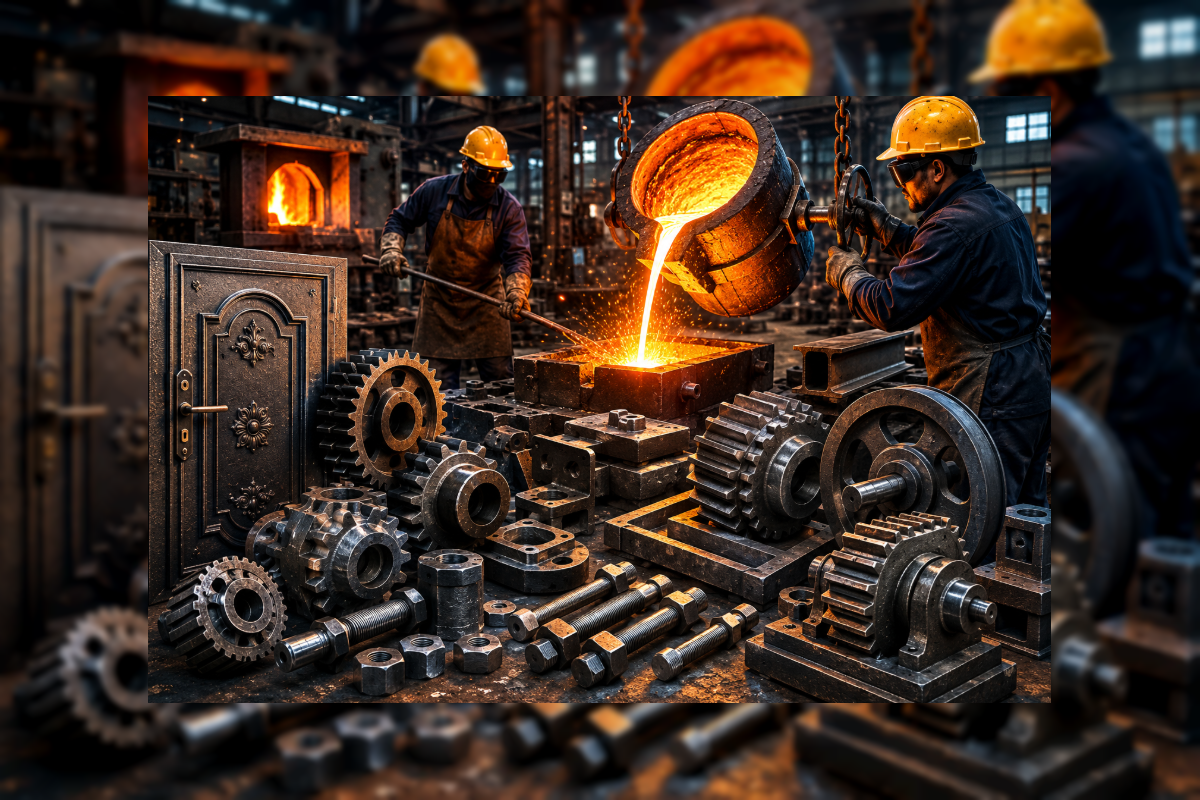

Behind every high-rise property development, commercial agricultural processing plant, and heavy transport logistics hub across Nigeria lies a critical layer of heavy industrial manufacturing that keeps the nation's supply chains operational. While modern procurement focus often shifts toward retail finishes or imported electronic systems, the actual structural backbone of the industrial ecosystem relies on localized metallurgical fabrication. For real estate developers, structural civil engineers, and heavy machinery operators, finding a reliable, high-capacity local supplier for custom metal manipulation is a vital prerequisite to securing project longevity, eliminating supply chain delays, and optimizing structural durability.
This structural dependency highlights the immense strategic value of localized Artisans, Blacksmiths, and Foundry Infrastructure hubs. Operating as true foundation creators, these highly specialized heavy-metal foundries and metallurgy workshops convert raw scrap metals, pig iron, structural steel bars, and carbon steel alloys into precise, high-performance industrial components. By mastering the complex physical chemistry of high-heat furnace forging, traditional sand casting, precision die stamping, and chemical tempering, these operations produce the heavy-duty components that allow other commercial enterprises, factories, and construction companies to scale.
In an era where international shipping costs, customs clearing gridlocks, and volatile foreign exchange parallel market rates create massive unpredictable spikes in business expenditure, relying on foreign machinery imports is no longer a viable business strategy. Local foundry infrastructure serves as a vital shield against inflation for domestic businesses. By transforming local raw iron ores and recycled metals into precision-engineered mechanical items, these industrial blacksmiths are actively driving Nigeria's independent industrial transformation from the ground up.
🔥 Technical Capabilities & Foundational Metallurgical Output
Local commercial foundries and specialized blacksmith infrastructure units operate far beyond the capabilities of standard neighborhood welding shops or decorative light-gauge metal fabricators. These heavy industrial manufacturing facilities manipulate metallic properties at microscopic crystalline levels, utilizing intense coal or gas-fired blast furnaces and precise molding setups designed to withstand extreme compressive, tensile, and torsional operational stresses.
Primary B2B Products and Wholesale Industrial Sourcing Lines:
- Bespoke Heavy-Duty Iron Cast Security Doors: Moving far past thin, hollow sheet-metal retail doors, local foundries forge thick, solid iron cast structural plates and reinforced security barriers. These units are engineered with internal deadbolts to provide impenetrable physical entry control for premium residential properties, corporate headquarters, and financial institution vaults.
- Custom Structural Hardware and Masonry Anchors: High-volume mass production of heavy-duty tie-rods, custom structural bolts, foundational rebar couplers, high-tensile fasteners, and structural steel reinforcement plates tailored to meet rigid structural engineering blueprints on large-scale civil construction sites.
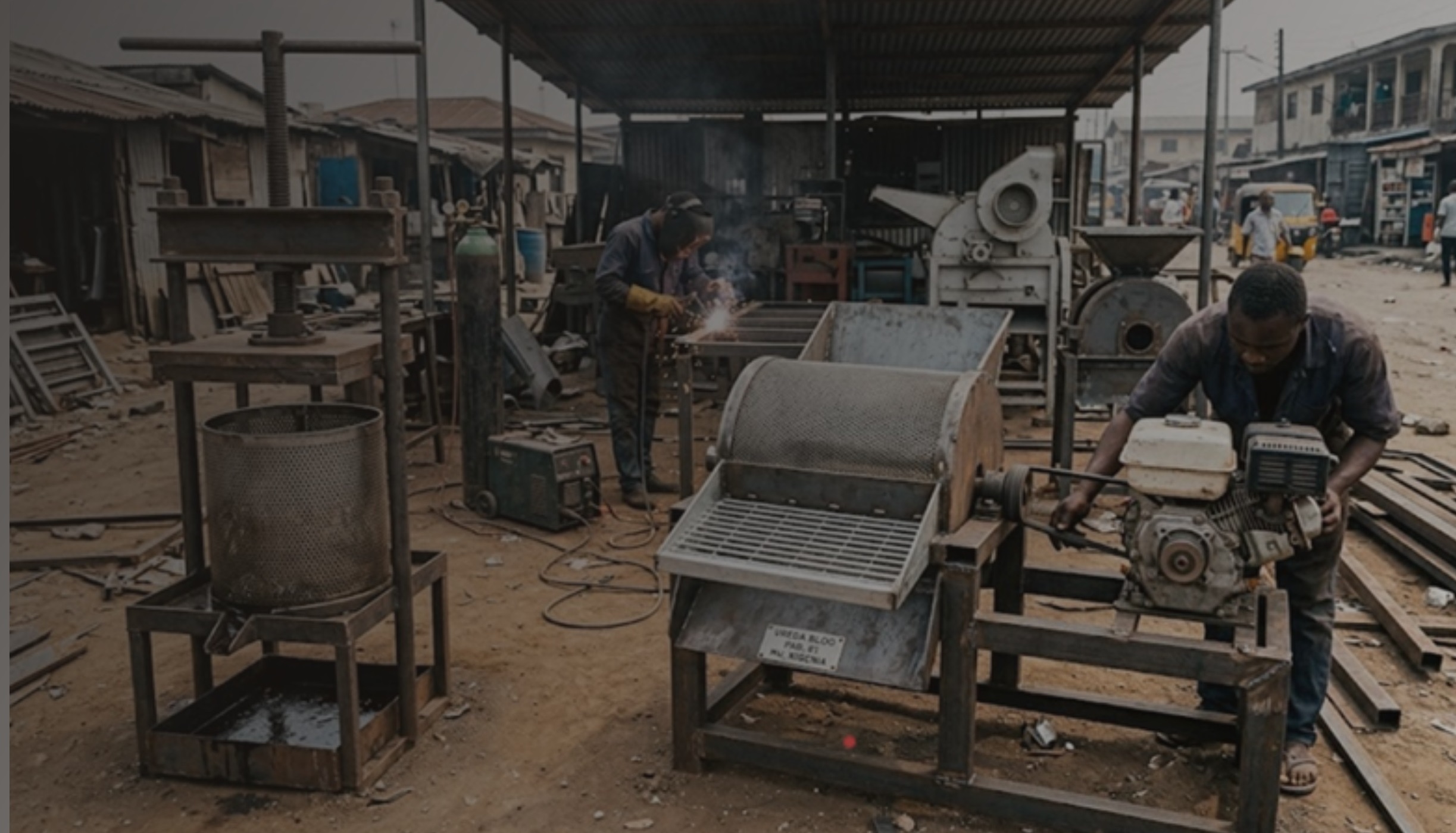
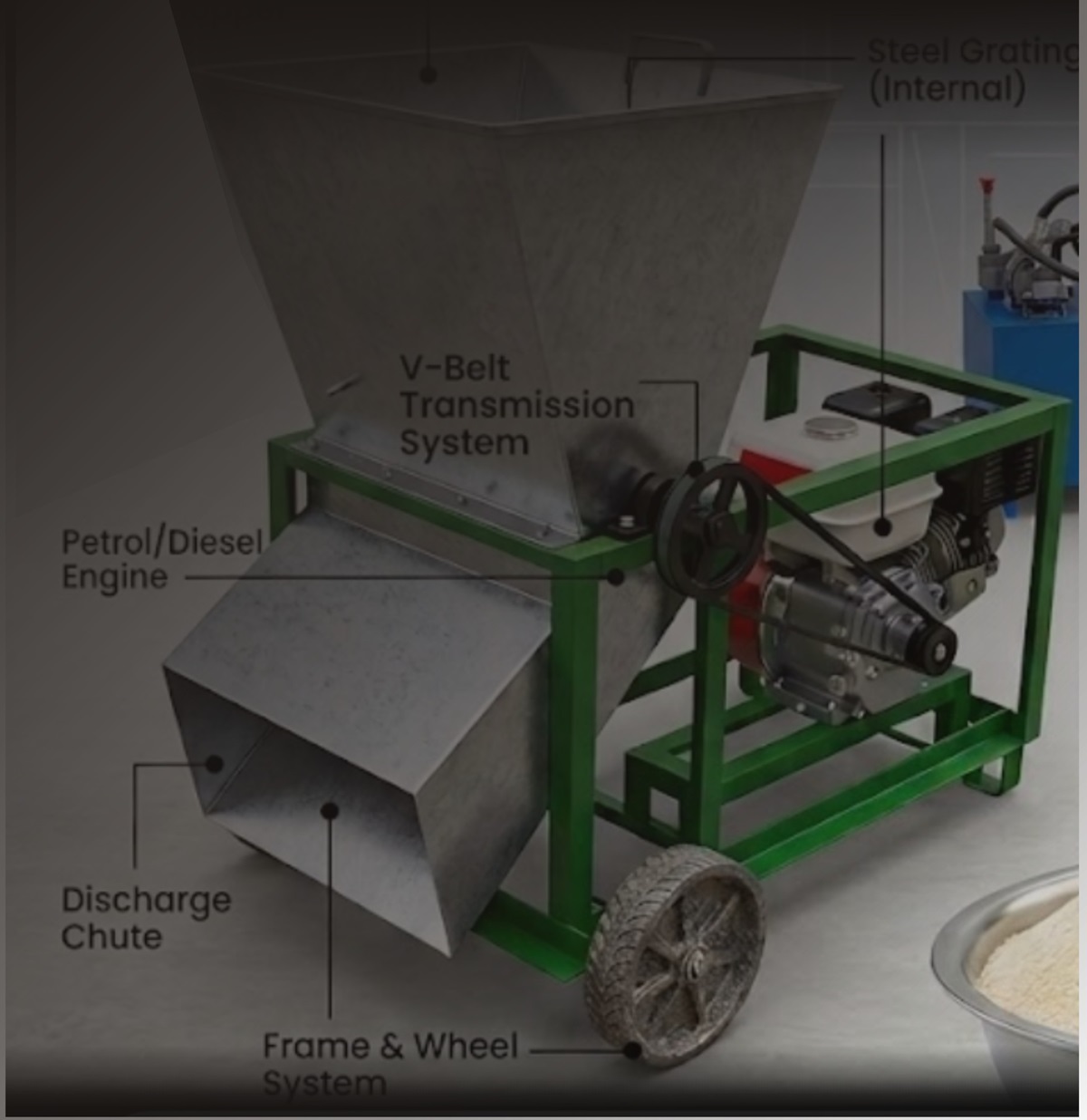
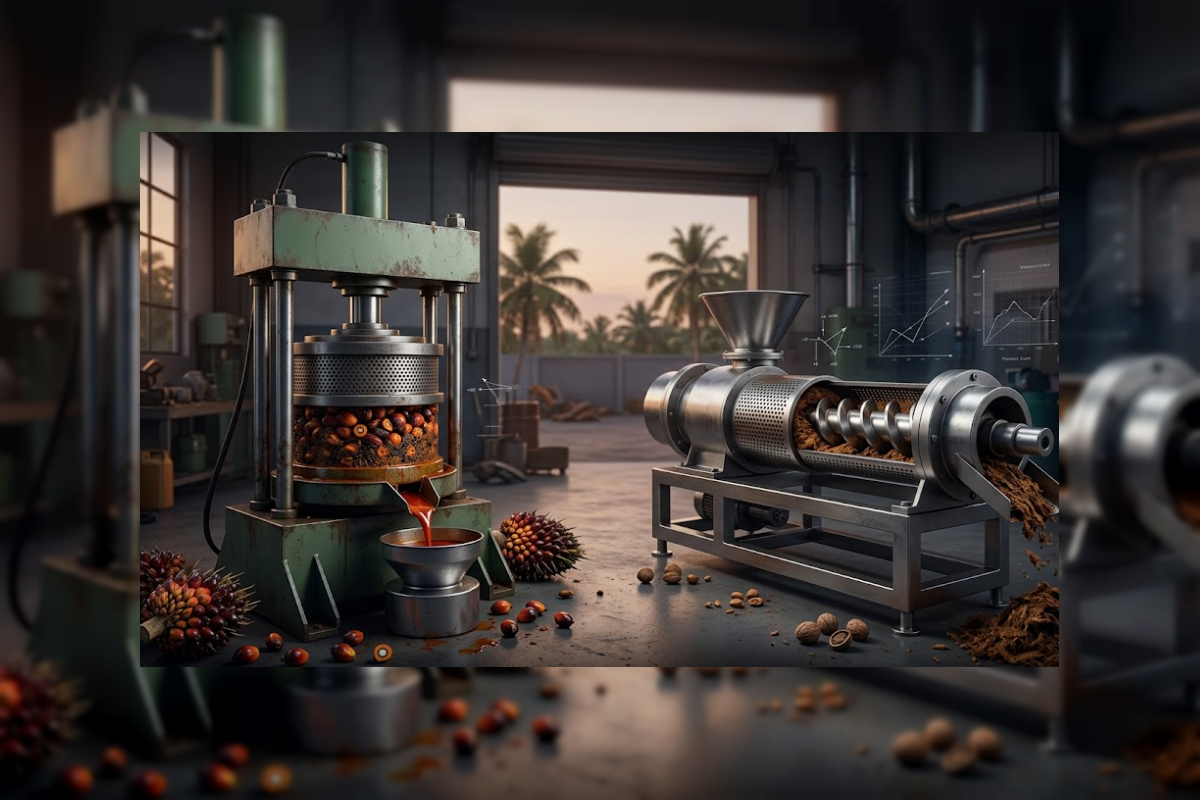
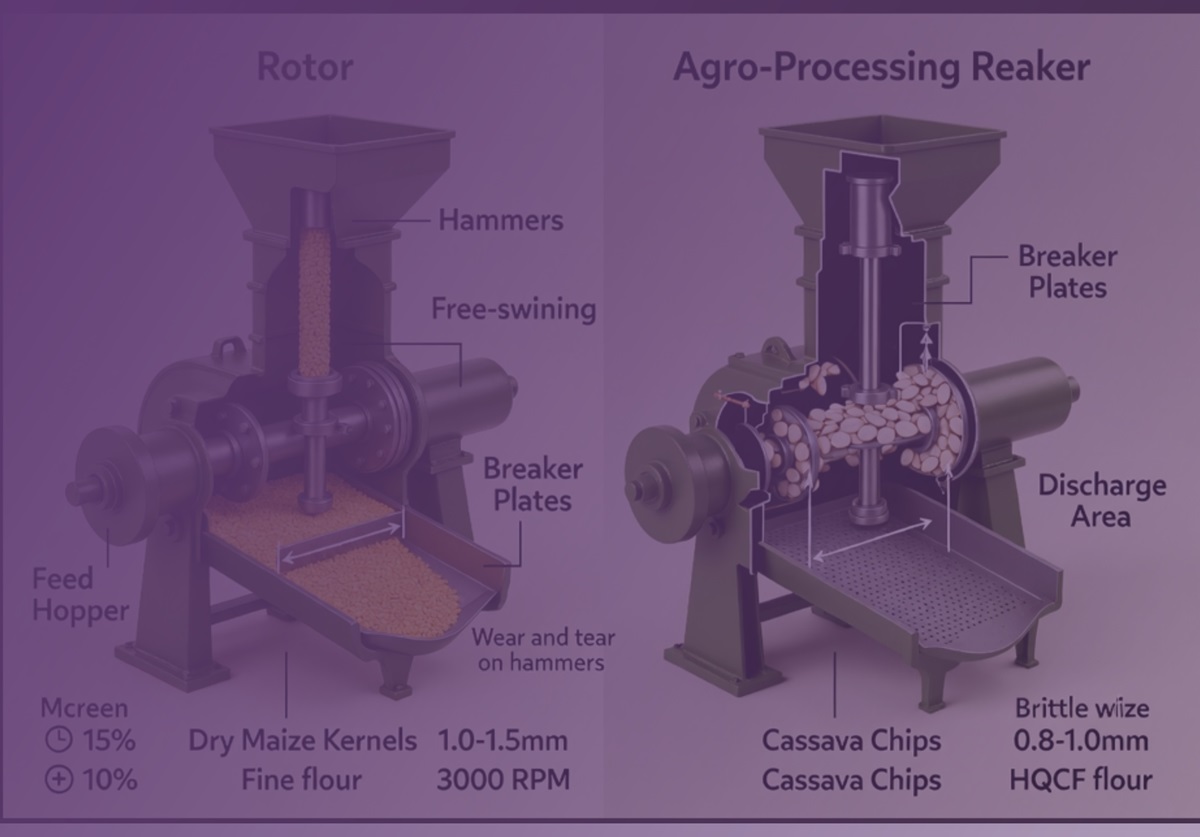
- Agro-Processing Machinery Components & Replacement Gears: Localized forging of durable cassava grating drums, high-pressure palm oil press screws, hammer mill cutting blades, agricultural tractor attachments, and heavy industrial gears that serve as identical replacement parts for worn or broken agricultural machinery.
- Industrial Casting Dies & Mechanical Mold Patterns: Creating specialized, temperature-resistant sand molds and permanent steel casting dies that allow domestic consumer plastic factories, rubber processors, and lightweight metal alloy manufacturers to mass-produce standardized commercial items efficiently.
🤝 The Buyer’s Advantage: Why Source via Local Foundry Infrastructure?
Sourcing specialized structural components, custom hardware lines, or replacement machinery hardware through international supply chains exposes local Nigerian businesses to severe currency fluctuations, expensive freight shipping costs, and incorrect factory specification matches. Procuring directly from verified local blacksmiths and foundry hubs offers undeniable operational benefits:
1. Absolute Customization to Local Requirements: Imported general hardware is rarely tailored to the specific environmental realities, high humidity levels, or custom machine modifications seen on Nigerian commercial sites. Local foundries can directly alter alloy percentages—such as adding precise amounts of carbon, chromium, or manganese—to produce harder, highly rust-resistant, and impact-tolerant components that match the harsh operational loads of regional processing setups.
2. Eliminating Lengthy Industrial Downtime: When a vital component breaks inside an active palm oil processing mill, a quarry rock crusher, or a heavy construction excavator, waiting weeks for a foreign replacement part completely halts business revenue. Local metallurgical hubs can take a broken component, replicate its exact geometric dimensions using advanced sand-casting patterns, and forge a rugged, identical replacement part in a matter of days.
3. Eradicating Import Cost Inflation: Buying direct from primary foundry furnaces allows civil developers, site engineers, and processing plant managers to completely avoid international shipping fees, container clearing agent margins, and middleman trading markups. This keeps material procurement budgets predictable, allowing firms to retain vital capital for core project execution and on-site workforce management.
🚛 Logistics, Weight Distribution & Safe Material Sourcing Mechanics
Sourcing from industrial metallurgical hubs and metalworking foundries requires meticulous logistics planning and transport management. Because cast iron components, heavy-duty security doors, industrial gearboxes, and customized structural steel plates possess immense weight and high mass densities, transport must be coordinated using flatbed trucks, heavy-duty logistics vans, or specialized multi-axle trailers equipped with reinforced suspensions.
Improper loading of high-mass cast iron components onto light-gauge vehicles can result in vehicle structural breakdown, axle snapping, and severe logistics delays along commercial haulage routes. Securely strapping down heavy iron items using heavy-duty ratchet tie-down straps is mandatory to prevent load shifting during cross-state transportation.
When purchasing bulk structural anchors or heavy forged doors, Shop Locator NG advises verification of the cooling and stress-relieving process with the foundry master. Freshly cast iron components must undergo controlled cooling cycles within foundry environments to eliminate interior structural stress. Ensuring the foundry executes proper chemical tempering methods guarantees that your high-mass structural hardware will never suffer from hidden internal fractures, micro-cracking, or sudden structural failure when subjected to high working pressures on-site.
The Bottom Line: Artisans, blacksmiths, and foundry infrastructure networks serve as the true bedrock of industrial self-reliance. By connecting real estate builders, manufacturing plants, and agricultural processors directly to primary metal-shaping power, they ensure Nigeria’s primary commercial ventures eliminate foreign import dependency and keep moving forward smoothly.
Comments (0)
No comments yet. Be the first!
Please login to leave a comment
Login to Comment